How to Extend the Life of Your Implant Crown
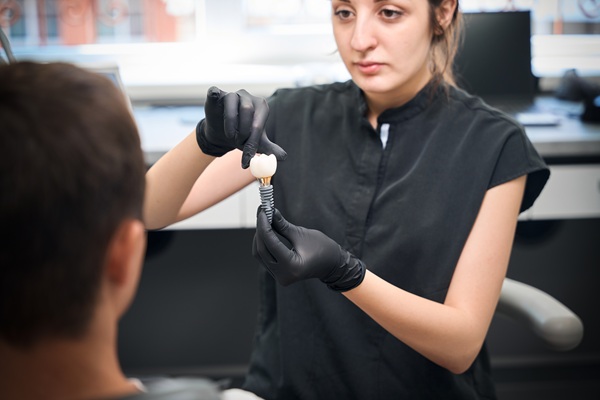
Dental implants can potentially survive a lifetime of use; however, the implant crowns used for chewing and biting are vulnerable to the same factors that can damage natural teeth. Therefore, it is important to take proper precautions to extend the crown's lifespan.
Making implant crowns last longer
The following are tips to add more years to an implant crown and reduce the risk of damage:
Avoid harmful foods
Preserving the structure of dental implants requires avoiding specific foods and behaviors that might harm them. Chewing on ice, hard sweets, and hard objects should be avoided since they may shatter or disrupt the prosthetic teeth. To ensure the long-term attractiveness of the implant crown and natural teeth, patients should avoid cigarettes, coffee, and other tooth-staining substances.
Make healthy lifestyle choices
A healthy lifestyle goes hand in hand with extending the life of implant crowns. Patients need to make healthy decisions that will improve their general health and reduce the chance of harm to the teeth and gums. Patients prone to teeth clenching or grinding should consider getting treatment to avoid damaging the newly fitted crown.
Smoking is another behavior that endangers implants and oral health. Since the body functions as a whole, someone's lifestyle choices will have an impact on dental health and the longevity of their implants. Choose healthy behaviors that contribute to overall well-being to improve oral health while also extending the life of freshly placed teeth.
Maintain proper oral hygiene
Dental implants are comparable to natural teeth in many aspects, including their susceptibility to some of the same risks. The health and lifespan of the implants will be greatly influenced by proper at-home dental care. Daily flossing and twice-daily brushing, just like for natural teeth, can keep the crown and implant free of plaque-causing bacteria that may cause gum disease and damage. The dentist will offer additional care instructions and recommend frequent, proper brushing and flossing to help optimize the health of the implant and surrounding teeth and gums.
A regular dental checkup is important
Regular exams and thorough cleanings at the dental office are essential. The dentist may recommend more regular checks for patients at high risk for gum disease (such as those who have lost their natural teeth due to gum issues). A dental checkup and professional cleaning should be done every six months as a general rule.
During this appointment, the dentist will examine the implant and the surrounding regions. Maintaining this healthy, preventative practice extends the life and durability of the titanium screws and crowns and reduces the danger of gum disease, which might jeopardize the implant's longevity.
In summary
While the dental implant (fake tooth root) is expected to last a lifetime, the crowns, bridges, and dentures placed on top of it are less likely to last as long. Although implant crowns can last up to three decades, patients need to have them checked, repaired, or replaced every ten years or thereabout. Failure to maintain the implant restorations might jeopardize the implants themselves.
Request an appointment here: https://pewaukeesmilesdentistry.com or call Pewaukee Smiles Dentistry at (262) 695-8600 for an appointment in our Pewaukee office.
Check out what others are saying about our services on Yelp: Implant Crown in Pewaukee, WI.
Related Posts
Dental crowns function as protective caps for severely damaged or decayed teeth. These restorations use durable materials such as porcelain-fused-to-metal, zirconia, or ceramic to withstand the daily pressures of chewing. However, even the most resilient dental crowns can experience structural fatigue or adhesive failure. Identifying the symptoms of a damaged dental crown is the first…
A smile makeover offers a fresh start for anyone looking to boost their confidence with a more radiant, balanced appearance. Oftentimes, this transformation involves much more than just a quick fix or a surface-level change. Choosing the right dentist ensures your plan respects the unique anatomy and overall goals.Dream results begin with a healthy foundation…
Persistent jaw discomfort often relates to the temporomandibular joint (TMJ), the hinge-like joint that connects the lower jaw to the skull. This vital joint facilitates the thousands of movements required for daily tasks such as eating, speaking, and yawning. When dysfunction occurs, the muscles and ligaments surrounding the joint become strained, leading to chronic tension…
Deciding to get dental veneers is a major step toward a confident smile, which is why dentists want to ensure patients feel comfortable about every aspect of this treatment. That includes the material of the veneers. Some patients prefer the convenience of composite resin, while others enjoy the look and feel of porcelain. Knowing the…